Brassica and animal health
Brassicas can sometimes cause animal health issues, but these can be minimised or avoided through good management. Most problems are seen in the first few days of grazing, especially if animals are put onto a crop hungry (see Brassica grazing management).
Monitor your animals closely, and remove them from the crop if any issues occur. Be wary of any clinical signs, as these may indicate wider sub-clinical issues. Take care even when transitioning animals from one type of crop to another.
Rape scald
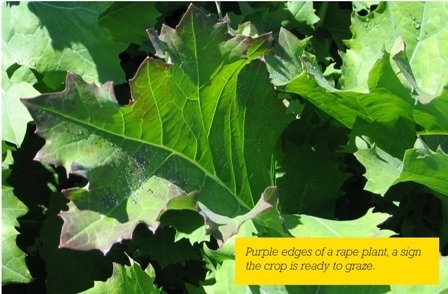
Rape scald reddens the skin on ears and faces of lambs grazing rape. To minimise this, don’t graze before the crop is fully mature, i.e. purple colouring can be seen on the edges of rape leaves. Animals showing signs of scald should be removed from crop and offered shade.
Nitrate poisoning
Can occur in any type of brassica crop with high levels of nitrate, and can kill animals. Test kits are available. Introduce animals slowly to the crop and supply alternative feed such as straw, hay or silage to slow brassica intake. Nitrate levels decrease during the day, so feed stock as late as possible to reduce the risk.
Red Water
Caused by the SMCO (S-methylcysteine sulphoxide) content of brassicas. It is most common in kales, which contain the highest levels, but all brassicas contain SMCO. Animals with red water pass damaged red blood cells in their urine, which can lead to loss of appetite or poor growth rate. Take care with sulphur based fertilisers which elevate SMCO levels. Levels also increase when plants flower. Sheep are more resilient to SMCO than cattle.
Bloat
Can occur when feeding frosted brassica crops, as plant material breaks down more quickly. This can be avoided by shifting breaks after the frost clears (this also reduces nitrate levels).