
Seasonal priorities – Responding to flood
Once the urgent work of cleaning up, feeding animals, and re-establishing infrastructure (e.g. fencing, water) is underway, you can turn to repairing pastures. This checklist is a guide only, as conditions vary.
Pasture recovery checklist
- Dont Panic. Plan, prepare and then act, with a feed budget determining the targets for the coming 12 months. A rush job generally means poor results, so do the job once and well. This is a difficult and stressful time, so it is often good to have someone with you to help work out a plan.
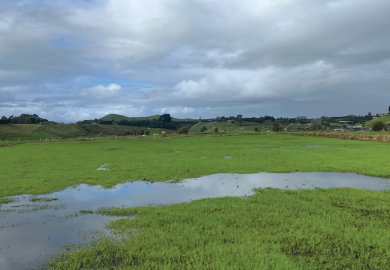
- Check each paddock. Flood damage is typically highly variable, with farms needing different plans for different parts.
- Pastures that have been under water but look okay. If pastures have been under water for a few days, but are green and look okay, they should be fine. Fertilise and treat as a normal pasture.
- Thin or damaged pastures, with little sediment. You typically want a quick solution, so look to undersow grass seed with a direct drill when dry enough. This will thicken the pasture, stop weed ingression, and restore productivity. Use treated seed for pests, and check for slugs – bait may be required.
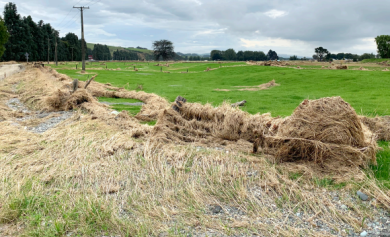
- Silted pastures? Check for signs of recovery. If no signs of grass growth are visible after a week, consider the pasture dead. Weeds like twitch/ couch, browntop and creeping buttercup are much more likely to survive than ryegrass and clover.
- Check the smell. Smelly silt or sediment is highly anaerobic and can depress germination and establishment of new seed. Anaerobic silts should be aerated or cultivated.
- Depth of sediment <50 mm. Some existing pasture may be able to break through and start growing again. Several factors influence this so assess case by case.
- Sediment 50-100 mm. Existing pasture is unlikely to grow. When the ground is dry enough to be worked, silt should be cultivated normally and sown back into pasture (e.g. in perennial or short-term ryegrass and clover).
- Sediment >200 mm. Wait for it to dry, and if it’s uneven look to spread it evenly across the paddock. Sub-soilers or deep ploughing can improve results through bringing buried soil to the surface prior to sowing with short term ryegrass or cereals. If cultivation is not possible, deeper deposits can be oversown if they are still damp. Otherwise wait until silt is dry, break up the surface and sow. Generally oversowing does not work as well as cultivation.
- Soil test sediment. This will help determine nutrient content, and develop a fertiliser plan. Most flood deposits have little to no organic matter, are nitrogen deficient and may be low in phosphorus. They also have limited ability to store nutrient, so avoid large fertiliser applications.
- Use nitrogen to help surviving pastures. Nitrogen can boost performance of your stressed pastures; consult your fertiliser representative for advice.
- Pick the right cultivars for re-sowing. Italian ryegrass (e.g. Tabu+) and hybrid ryegrass (Shogun or Forge) are more vigorous than perennial ryegrass, with stronger root growth and better establishment under adverse conditions. Cereals (e.g. Hattrick oats) are hardy and provide quick short term feed.
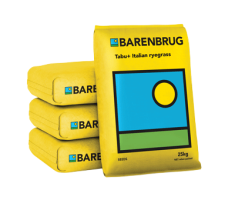
Tabu+
-
Record-breaker
-
Multi-use or Mr Adaptable
-
Soaks up winter nitrogen
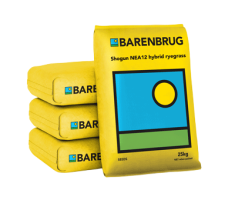
Shogun
-
Rockstar hybrid
-
Supercharged with NEA12 endophyte
-
Increased yield
Forge
-
Phenomenal 3-5 year pasture
-
Extra yield and quality across all seasons
-
Helps lighten the farm footprint
Hattrick Green Feed
-
Easy to manage winter crop
-
Leafy, high yielding
-
Sown with ryegrass gives you more bang for buck